Playtime is more than just entertainment—it’s an essential part of childhood development. For young children, sensory play provides powerful learning experiences that build motor skills, spark creativity, and support emotional growth. One of the most exciting and engaging sensory activities you can set up at home is a mini construction site sensory bin. It combines hands-on exploration, imaginative play, and fine motor learning, keeping kids entertained for hours while stimulating their senses and creativity.
What is a Sensory Bin?
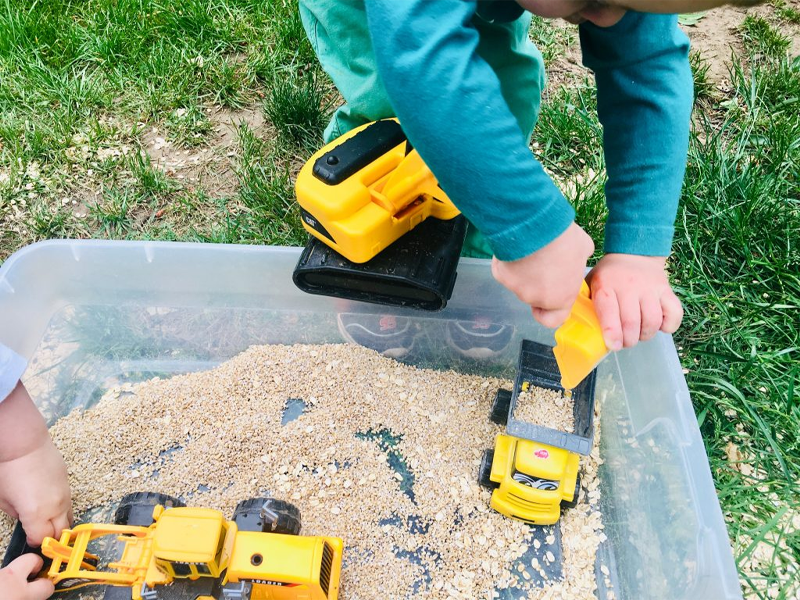
A sensory bin is a simple, contained space filled with materials that stimulate touch, sight, sound, and sometimes even smell. It invites children to dig, scoop, pour, and explore freely—helping them learn through play. The concept is versatile, affordable, and easy to adapt for different themes. From ocean adventures to farm life, sensory bins can be customized endlessly.
A construction site theme is especially popular because it engages kids’ natural curiosity about how things work. Trucks, diggers, sand, and small tools encourage active play that feels both fun and purposeful.
Why Sensory Play Matters
Sensory play isn’t just messy fun—it’s a crucial part of how children learn. It helps them:
- Develop fine motor skills through scooping, pouring, and gripping objects.
- Enhance hand-eye coordination while manipulating tools and materials.
- Stimulate cognitive growth by encouraging problem-solving and imaginative thinking.
- Boost language skills as they describe textures, movements, and pretend play scenarios.
- Encourage independent and social play when shared with siblings or friends.
Through sensory exploration, children also learn about cause and effect, patience, and creativity—all while having fun.
How to Create a Mini Construction Site Sensory Bin
Building your own construction site sensory bin doesn’t require expensive supplies or special tools. Most materials can be found around the house or at a local craft or dollar store. Here’s how to get started:
- Choose the Right Container:
Use a plastic bin, storage tub, or even a large baking tray. Make sure it’s wide enough for kids to reach in comfortably and deep enough to hold materials without spilling too easily. - Select the Base Material:
The base provides the sensory foundation. Common options include:- Kinetic sand or play sand
- Dry beans or lentils (for texture and easy cleanup)
- Small pebbles, gravel, or rice (great for sound and touch variety)
- A mix of dirt and sand for a more realistic construction feel
- Add Construction Vehicles:
Include small toy excavators, dump trucks, bulldozers, and cranes. Children love using these to dig, load, and move materials around—imitating real construction site activities. - Include Building Materials:
Add blocks, wooden sticks, small rocks, and toy bricks to mimic construction tasks. These encourage stacking, sorting, and building. - Enhance the Scene:
Create mini construction details with items like:- Small signs made from paper or popsicle sticks
- Toy workers or figures wearing hard hats
- Plastic cups or containers to act as buildings or foundations
- A small scoop, spoon, or shovel for added tools
- Optional Touches:
Add toy cones, caution tape, or small labels that say “Work Zone” to complete the theme. Children love realistic details that make their play feel like a true job site.
Encouraging Imaginative Play
Once your sensory bin is ready, let your child take the lead. Avoid giving too many instructions—open-ended play is what fuels creativity. You can gently encourage their imagination by asking questions like:
- “What’s being built today?”
- “Who’s driving the dump truck?”
- “Can you dig a tunnel or make a road?”
This type of guided conversation strengthens storytelling skills, expands vocabulary, and keeps the playtime experience interactive.
For group play, assign roles—such as a site manager, builder, or driver—to help children practice teamwork and communication.
Tips for a Mess-Free Experience
While sensory bins can get a little messy, a few smart tricks make cleanup easy:
- Place a large plastic mat, an old sheet, or a shower curtain liner under the bin.
- Use materials that are easy to vacuum or sweep.
- Keep wipes or a small brush nearby for quick cleanups.
- Encourage kids to help clean up—it teaches responsibility while maintaining order.
If indoor messes are a concern, move the activity outdoors. Driveways, patios, and backyards make excellent spaces for sensory play.
Educational Benefits of Construction-Themed Sensory Play
Beyond creativity and fun, a construction-themed sensory bin provides real developmental value. It introduces children to STEM (science, technology, engineering, and math) concepts in a hands-on, engaging way. As they scoop, pour, and build, they naturally learn about balance, gravity, volume, and structure.
For preschoolers, this activity builds vocabulary—words like “load,” “dig,” “pour,” and “lift” become part of everyday language. For slightly older kids, it strengthens problem-solving as they figure out how to make towers stand tall or tunnels stay open.
Moreover, pretend play encourages emotional development. By assigning roles and scenarios, children express empathy, cooperation, and patience—skills that will serve them throughout life.
Simple Variations to Try
To keep sensory play exciting, switch up the materials or setting:
- Road Construction: Add black beans for asphalt and toy road rollers.
- Winter Construction: Replace sand with cotton balls or fake snow.
- Water Construction: Use water and floating construction toys for a fun summer version.
Each variation brings new sensory experiences while maintaining the same core learning benefits.
Final Thoughts
A mini construction site sensory bin is an imaginative, low-cost way to encourage active, hands-on learning. It inspires kids to think creatively, problem-solve, and explore through touch—all while having hours of fun.
In a world dominated by screens and structured activities, sensory play reminds us of the value of simple, unhurried exploration. The laughter, the pretend job site chatter, and the little hands at work—all reflect a child deeply engaged in learning through play. And that’s the kind of construction that truly builds something lasting.