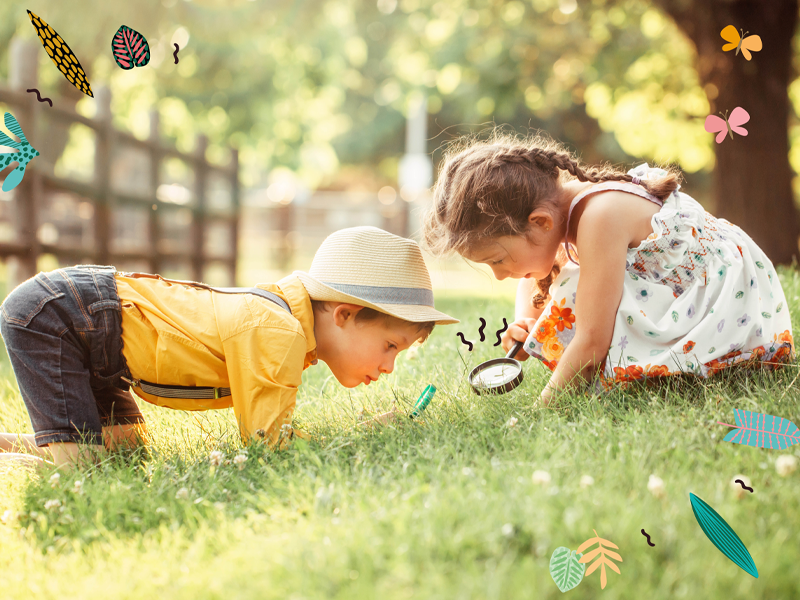
Constant digital distractions have made it increasingly difficult to inspire children to leave their screens behind and enjoy the outdoors. Yet, nature offers endless opportunities for exploration, creativity, and learning. One of the most engaging ways to spark curiosity and adventure in children is through an outdoor scavenger hunt. It’s fun, educational, and adaptable to any environment — from a backyard to a neighborhood park or even a family camping trip. This guide explores how to plan, organize, and enjoy the perfect outdoor scavenger hunt for curious kids of all ages.
Why Outdoor Scavenger Hunts Are So Effective for Kids
Outdoor scavenger hunts combine play with purpose. They encourage children to observe closely, think critically, and move actively. When kids search for clues, textures, or natural objects, they strengthen their observation skills and learn to pay attention to their surroundings.
Scavenger hunts also support physical activity, which is crucial for growing bodies and healthy minds. They involve walking, running, stretching, and sometimes climbing—all while having fun. Beyond the physical benefits, these activities promote teamwork, patience, and problem-solving, helping kids build social and emotional skills naturally.
Planning an Outdoor Scavenger Hunt
Creating a great scavenger hunt doesn’t require expensive materials or complicated setups. The best hunts often come from simple ideas. Start by selecting a location—your backyard, a local park, beach, or hiking trail. The key is to choose a space with enough variety for exploration but safe enough for children to move freely. Next, decide on a theme or goal. Some popular ideas include:
- Nature Hunt: Collect or spot leaves, feathers, rocks, and flowers.
- Color Hunt: Find objects in different colors.
- Texture Hunt: Touch and identify rough, smooth, bumpy, or soft items.
- Alphabet Hunt: Locate something that starts with each letter of the alphabet.
- Eco Hunt: Focus on sustainability by finding litter to recycle or learning about local plants and animals.
Once the theme is ready, prepare a simple checklist or map. You can write or draw items for younger kids, while older ones may enjoy riddles or clues that lead to specific objects or locations.
Safety and Supervision
Safety should always be a top priority. Before the hunt begins, walk through the area to ensure it’s hazard-free. Avoid places with deep water, sharp rocks, or thorny plants. Provide clear rules—like staying within boundaries, respecting nature, and not touching wildlife. An adult or responsible older sibling should always accompany younger children.
Also, consider environmental responsibility. Teach kids to look, not take, when it comes to plants, flowers, or animal habitats. Using cameras or sketchbooks to record findings helps protect nature while still capturing the fun.
How to Keep Kids Engaged
Keeping children interested throughout the scavenger hunt requires a balance of challenge and reward. Short, dynamic hunts work best for toddlers, while longer hunts with layered clues are perfect for older kids. You can add excitement by:
- Offering small prizes or certificates for completing the hunt.
- Creating time-based challenges, such as “find five things in ten minutes.”
- Adding creative elements like drawing what they find or explaining why an item is special.
- Incorporating teamwork by pairing up kids to find items together.
Music, storytelling, or role-playing (like pretending to be explorers or detectives) can make the experience even more immersive.
Educational Benefits of Scavenger Hunts
Outdoor scavenger hunts blend learning with play in powerful ways. Children practice vocabulary as they identify objects, describe textures, or talk about colors. Math skills appear naturally through counting or measuring distances. Science lessons emerge when discussing ecosystems, weather patterns, or animal behaviors.
Even emotional intelligence develops as kids express excitement, curiosity, or even frustration when they can’t find something right away. With gentle guidance, they learn perseverance and mindfulness — key traits that extend beyond playtime.
Adapting Scavenger Hunts for Different Ages
Scavenger hunts are wonderfully flexible.
- Toddlers (2–4 years): Focus on colors, shapes, or large objects like flowers or trees.
- Kids (5–8 years): Add basic clues, short riddles, or categories like sounds or textures.
- Preteens (9–12 years): Incorporate problem-solving challenges, maps, or environmental lessons.
- Teens: Make it social or competitive with photography hunts or timed group games.
These adaptations keep the experience fresh, ensuring that kids remain engaged as they grow.
Making It a Family Tradition
Scavenger hunts can easily become a cherished family tradition. Hosting one during holidays, birthdays, or weekends creates lasting memories. You can involve the whole family by assigning roles — clue creator, photographer, or prize organizer. Seasonal hunts are another great idea: spring flower hunts, summer beach hunts, autumn leaf hunts, or winter snow scavenger games.
The beauty of these activities lies in their simplicity. They cost little but create big moments of joy, laughter, and connection.
Final Thoughts
An outdoor scavenger hunt is more than a game—it’s a bridge between play and discovery. It helps children develop curiosity, respect for nature, and a deeper appreciation for the world around them. In a time when digital engagement often replaces real-world interaction, such activities remind us that the best adventures don’t require screens—just open skies, curious hearts, and a list waiting to be explored.